He collaborated with Bob Dylan, John Lennon and more than 100 other major artists. The frontman, sideman, guitarist, pianist, producer and bandleader was one of the most coveted session guitarists in Hollywood. Jesse Ed Davis was also a Venice resident from 1975 until he died in 1988, where he recorded three solo albums in which he put music to Indigenous activist John Trudell’s words. Most important, his lasting impact has been underappreciated.
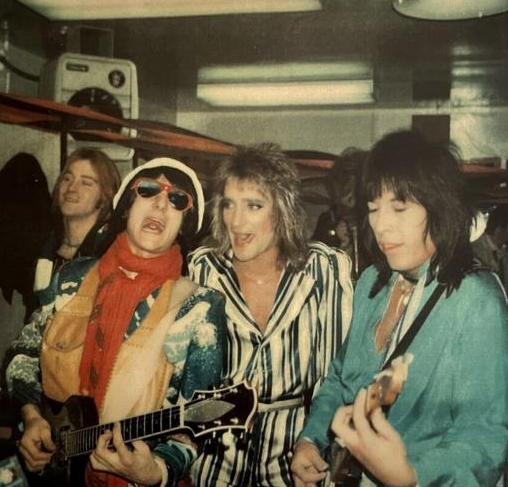
In the last few year, Douglas K. Miller, a professor of history at Oklahoma State University, has resurrected Davis’s legacy, first with his 2024 book, “Washita Love Child: The Rise of Indigenous Rock Star Jesse Ed Davis,” and an exhibit at the same time at the Bob Dylan Center in Tulsa, Oklahoma, which he co-curated with U.S. poet laureate and best-selling Muscogee author Joy Harjo. This week, on July 25, Venice Heritage Museum and the Bob Dylan Center will honor Davis with a reading from Miller’s book, a panel discussion and a live acoustic set by Scott McCaughey (R.E.M.) performing from an upcoming album of Davis covers.
Although Davis helped to shaped the sounds of popular music, and he did it at a time when few Indigenous musicians appeared on major concert stages, radio waves and record store walls, there are many who do not know his name. Miller, too, did not know much about Davis, and he became even more curious about the artist when he began to see his name pop up on so many of the albums in his collection. . . .
Read the entire article at The Argonaut.

